Climate Controlled vs Non Climate Storage in Richmond, KY, Which Should You Choose?
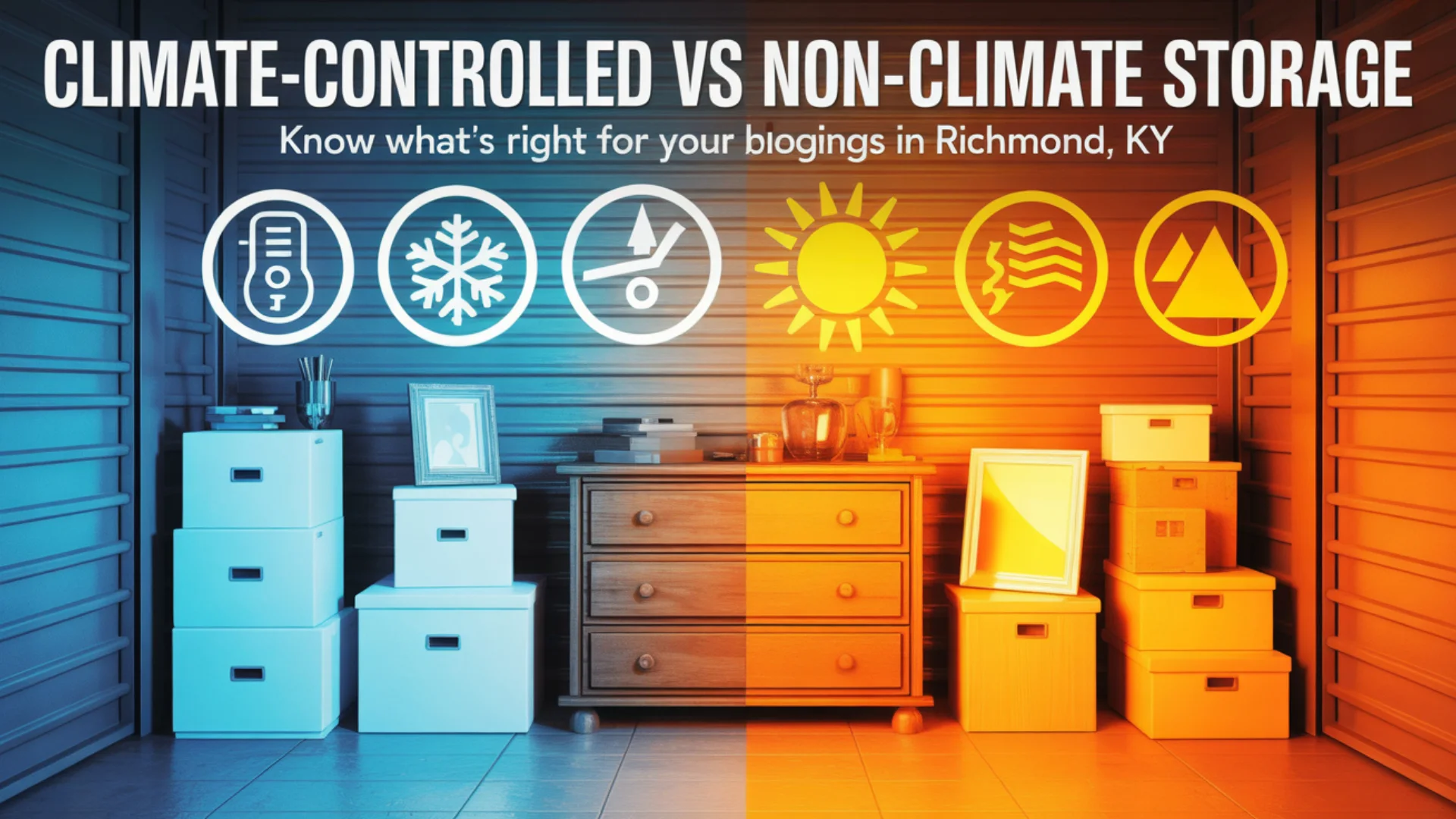
It is a big decision to choose between climate controlled and non climate storage. Richmond, KY’s weather changes a lot between seasons. Hot summers and cold winters can easily damage your belongings. The right choice depends on what you’re storing and for how long. Let’s explore the differences to help you choose the best storage option for your needs.
What Is Climate Controlled Storage?
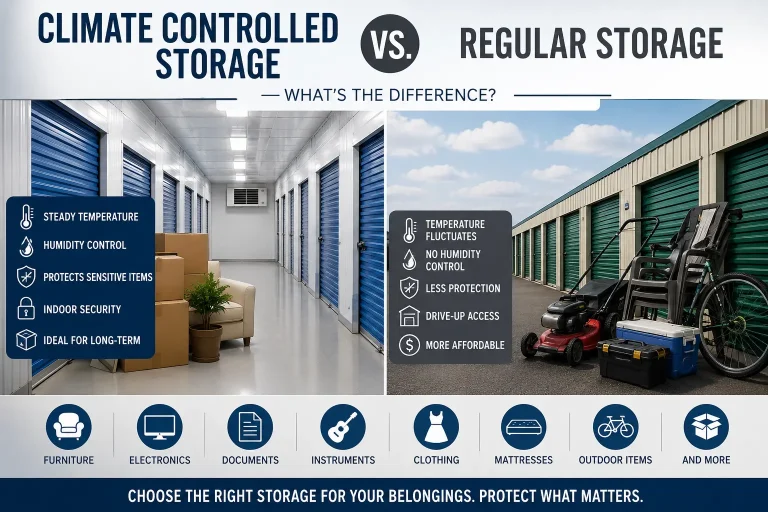
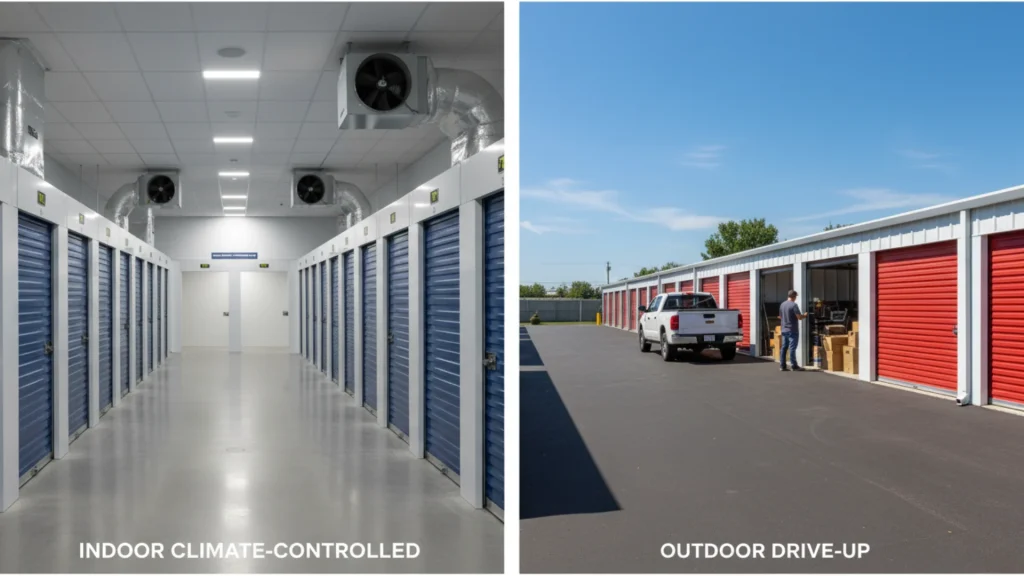
Climate controlled storage units maintain steady temperature and humidity levels. The temperature usually stays between 50 and 80 degrees fahrenheit throughout the year. These units are built indoors with better insulation and air systems. They help prevent moisture, mold, and heat damage. Climate controlled storage is perfect for delicate or valuable items that need extra protection.
What Is Non Climate or Standard Storage?
Non climate storage units do not have any temperature or humidity control. The temperature inside changes with the weather outside. These are usually outdoor or drive up units for easy vehicle access. They’re cheaper and convenient for strong or short term storage needs. However, sensitive items may not survive Richmond’s heat or cold in these spaces.
Comparison Table: Climate-Controlled vs Non-Climate Storage
|
Feature |
Climate Controlled Storage |
Non Climate Storage |
|
Temperature |
Constant (around 50–80°F) |
Follows outside weather |
|
Humidity |
Controlled and balanced |
Not regulated |
|
Location |
Usually indoors |
Usually outdoors |
|
Best for |
Electronics, wood, photos, fabrics, art |
Tools, furniture, seasonal items |
|
Pest protection |
Better due to indoor setup |
Average protection |
|
Monthly cost |
20–50% higher |
Lower cost |
|
Ideal use |
Long term, valuable, or sensitive items |
Short term or durable goods |
This table shows that climate controlled storage costs more but offers much better protection. Non climate storage works fine for strong materials and short durations. The final choice depends on how much you value safety over cost.
Why Richmond’s Climate Matters for Storage
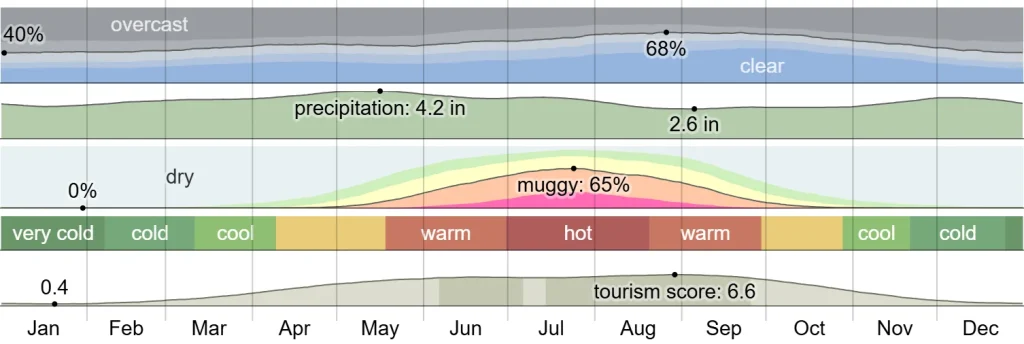
Richmond has hot, humid summers and cold winters. Humidity often rises above comfortable levels during the summer months. It can cause wood to swell, paper to wrinkle, and electronics to corrode. Cold weather may crack glass, freeze batteries, or dry out leather. Because of these changes, your storage choice directly affects how long your items stay safe.
Items That Need Climate Controlled Storage
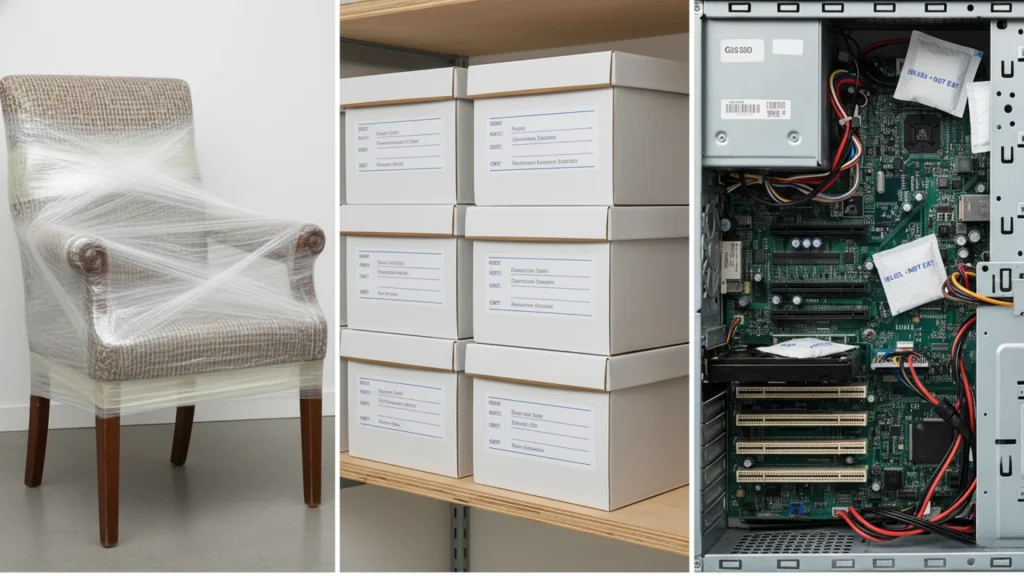
Some belongings need stable conditions to stay in good shape. These include things that can bend, crack, or mold easily. You should always store the following items in a climate-controlled unit:
Top Items for Climate Controlled Storage:
If you store these items in a standard unit, Richmond’s weather can ruin them fast.
List of Top 20 Items That Should Be Stored in Climate-Controlled Units
What Can Go in Non Climate Storage
Non climate units are still useful for certain things. Durable, outdoor, or short-term items fit perfectly here. You can safely store:
Best Items for Non Climate Storage:
These items won’t get damaged easily, but make sure they’re clean and dry. Keeping them raised above the floor helps prevent rust and dampness.
Cost Difference Between Both Options
Climate controlled storage costs more than standard units, but for good reason. The average price difference is around 20 to 50 percent monthly. If a normal unit costs $80, the same size with climate control may cost about $100. The extra money protects your valuables from weather damage. In the long term, it’s cheaper than replacing ruined items.
How to Decide Which Type You Need
Start by thinking about what you’re storing and for how long. If it’s only for a few weeks, standard storage may be enough. But if you plan to store items for months or years, use climate control. Think about Richmond’s summer humidity and winter chill before deciding. If your items are hard to replace or valuable, it’s better to choose protection over price.
Quick Guide: Should You Use Climate-Controlled Storage?
|
Item |
Short Term (Under 3 Months) |
Long Term (Over 3 Months) |
|
Antique wood furniture |
Safe only if kept dry and away from humidity |
Needs stable temperature to prevent cracking and warping |
|
Box of winter clothes |
Okay if sealed in airtight containers |
Can attract mold and mildew in humid weather |
|
Electronics (computers, TVs, consoles) |
Not safe in hot or damp months |
High risk of condensation and corrosion |
|
Lawn mower or outdoor tools |
Fine for short periods |
Safe if drained of gas and cleaned |
|
Photo albums and family pictures |
Easily damaged by moisture |
Paper and ink deteriorate in humidity |
Local Tips for Richmond Residents
Richmond’s humidity in summer can damage fabrics, papers, and photos. Climate controlled storage keeps air moisture balanced to prevent mold. In winter, when temperatures drop below freezing, cold can crack wood and leather. That’s why many locals prefer climate controlled units for long-term use. It keeps their belongings safe during Richmond’s seasonal temperature swings.
Frequently Asked Questions
Final Thoughts
Both storage options have pros and cons depending on your needs. Non climate storage saves money for short term or durable items. Climate controlled storage costs more but offers full protection against Richmond’s heat and cold. Think of it as an insurance policy for your valuable belongings. Contact Store Sure Self Storage today to get advice and find the perfect unit for your storage needs.